

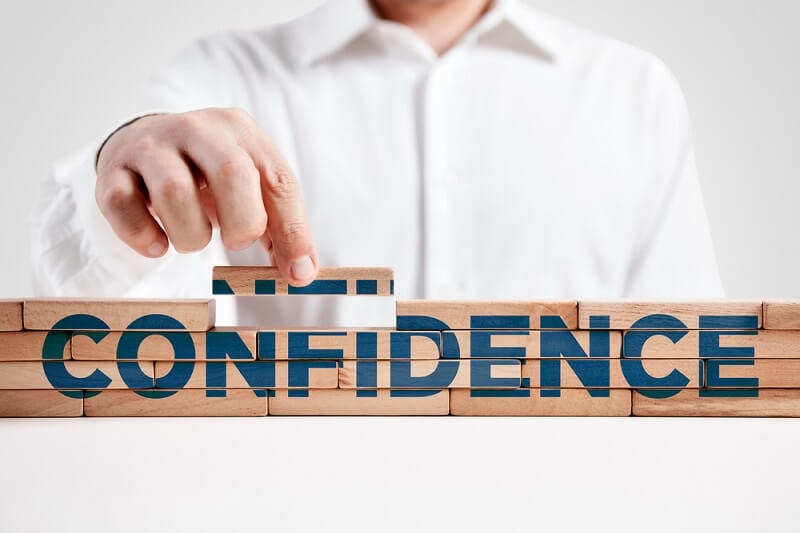
Genuine confidence is something that every person is worthy of; however, confidence is something most individuals struggle with daily. Learning how to feel more confident has nothing to do with pretending to feel confident, but rather developing mindset habits, utilizing powerful self-esteem boosters, and fortifying your emotional resiliency from within. In the first several areas of self-improvement, you will see that your emotional resiliency grows every time you take action, and that is precisely what this guide helps you accomplish.
You will learn scientifically supported, practical, and realistic ways to boost your confidence below.
Confidence isn't some mysterious personality trait that is reserved for certain people. It's a learned skill instead! Once you learn how to feel more confident, you can start tapping into self-esteem boosters and mindset habits that change how you view yourself. And in turn, as you build emotional strength and lean into self-care in your own improvement, the easier it becomes to feel grounded, calm, and confident.
Confidence contributes to how you communicate and relate to others, how you present yourself, and how you practice self-care. Simply being more confident:
Confidence is not about being perfect- It's about believing in yourself!
Before you can learn how to feel more confident, you must understand what confidence really is. Confidence isn't loudness, arrogance, or pretending to have everything under control; it's emotional strength-your ability to handle life's challenges, trust your inner voice, and show up as yourself without fear of judgment.
When you strengthen your emotional base, everything about the way you present yourself improves.
Every small booster builds the emotional foundation required to understand how to feel more confident in the long term.
Confidence isn't passive-you have to exercise it. It works like a muscle-the more you use it, the stronger it is. These confidence exercises are rooted in psychological research and long-term behavioral habits.
Your body language speaks confidence before you say a thing. Practicing strong physical posture improves your mood, raises energy, and enhances presence.
Try this exercise daily:
This one small habit significantly enhances emotional strength and stability of the mind.
Self-improvement does not require big leaps; instead, it's about committing to being 1% better each day. This could mean:
This is about creating confidence through action, and not perfect action.

This is one of the most powerful confidence exercises to rewire negative beliefs.
Look at your reflection in the mirror and say:
It may feel uncomfortable at first-but this is the starting point for growth.
Confidence starts in the mind. Your thoughts become your beliefs, and your beliefs influence your behaviors. Mindset habits are the reason for a wide array of confidence-building.
A growth mindset will help you value effort, learn from failure, and build emotional fortitude and resilience when things are hard.
Say to yourself:
The most important thing is that your inner voice must be your greatest ally. Because no matter how successful you are, if your self-talk is judgmental, you'll never feel secure.
Replace:
I can learn how to do this.”
I am improving every day.”
Practicing mindfulness for just five minutes a day can help you regulate your emotions, reduce anxiety, and give you confidence by thinking calmly.
Try:
These mindfulness habits stabilize your emotional base and foster continuous improvement.
Self-improvement is the heart and soul of personal growth. When you invest in your mind, body, and habits, you will naturally develop confidence and resilience.
Your morning habits affect your frame of mind. Here are a few simple rituals you may want to adopt:
This sets your mind in a confident direction from the outset.
This keeps your self-esteem high and rids you of negative rumination.
The most powerful means of raising self-esteem is learning. Building a skill, like public speaking, writing, fitness training, or leadership, increases confidence through action.
Skills create confidence because they give you proof of your abilities.
Confidence refers not only to your mind; being confident and self-assured refers to your physical self and your emotions. Feeling confident and self-assured is based on lifestyles and habits that impact your ability to feel strong, stable, and grounded.
Exercise develops confidence because it improves mood, alleviates stress, and provides physical energy.
You do not need to perform high-intensity exercise. Walking is helpful to your emotional resiliency, too.
What you consume dictates what you believe. Surround yourself with:
Reducing exposure to negativity, criticism, and comparison.
Boundaries are a huge part of learning how to feel more confident. Say no when you need to. Limit draining conversations with people. Distance yourself from people who sabotage your emotional strength.
Many people lack confidence because social pressure provokes insecurity. These strategies help you stay grounded.
Start with manageable confidence exercises:
Repetition of everything brings comfort.
Your mind often creates fear that isn't real. Instead of envisioning worst-case scenarios, keep your mind on the present moment.
Ask yourself:
Confident people aren't worried about impressing others, so they're focused on connecting. Ask real questions and show interest.
This removes pressure and increases self-esteem naturally.
If you are to perfect the art of feeling more confident, then you need to look upon confidence as a lifelong journey. Continuous improvement keeps you growing, changing, and fortifying yourself emotionally.
The more you grow, the more capable you feel. Whether it is learning a skill, improving communication, or developing emotional awareness, growth builds belief.
Look at where you started. Compare the past to the present-you, not against others. This gives a grounded perspective and keeps your confidence level real.
Even minor, habitual activities will shift your long-term thinking habits related to your mindset.
Confidence is not a quality; it is a practice, daily. When you practice mindset habits, emotional intelligence exercises, and valuable self-awareness, you build an internal character that supports you through everything life throws at you. Use self-confidence boosters daily. Practice regular confidence exercises. Defend your mental space. Celebrate your growth. Most importantly, stay consistent. Confidence doesn't come from waiting for the right moment. It comes from deciding you are ready to grow now.
This content was created by AI