

Life inevitably involves moments of feeling stressed and overwhelmed. Learning how to deal with stress does not involve eliminating it—that would be unrealistic. It is about developing your own toolbox of stress-coping skills so you can learn to manage stress without feeling burdened by it. This resource contains simple calming techniques and other practical strategies that can be used at any time. In fact, this resource aims to provide you with useful, usable methods to help you find more peace throughout your day.
Some stress signals are apparent, but many small ones lie beneath the surface.
These signs show up often
The body speaks before the mind catches up. Learning how to manage stress begins with noticing small shifts and responding with care, rather than ignoring them.
Stress-coping skills do not require anything fancy. They work best when they stay simple and easy to repeat each day. Small choices lead to bigger changes.
A few helpful stress-coping skills include
What this really means is that the mind gets space to breathe when small habits guide it back to a calm state.
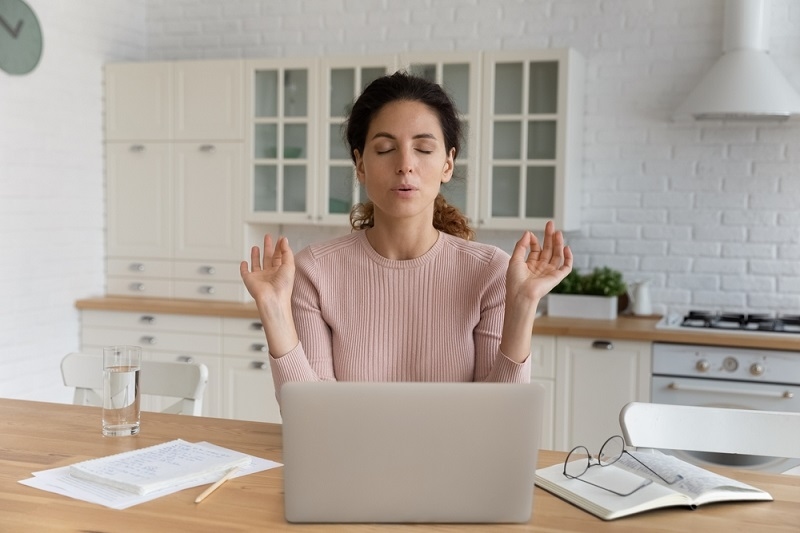
Basic calming techniques can make your stress feel less intimidating. They can help ground the body when thoughts start to fly fast.
Some basic calming techniques include:
While these may seem small, they can make a significant difference if used consistently. Calmness builds when the body learns to settle itself in stressful times.
Emotions can intensify, diminish, shift, and change quite quickly. Emotional regulation strategies allow the mind to calm these waves before they crash down hard.
Some great emotional regulation strategies are the following:
No emotional state stays forever. Emotions flow through the mind. When it is not blocked, stress loses its power.
Mindful habits enable one to be aware of feelings rather than rushing past them, and they help to cultivate calmness in everyday moments.
Mindful habits might look like:
Mindful habits become stronger with practice. What this truly means is that calmness begins to replace stress as a default state.
Relaxation tools give the body something to lean on. They help soothe tired nerves and calm overwhelmed thoughts.
Helpful relaxation tools include
Relaxation tools don’t solve everything, but they bring comfort when stress sits too heavily on the body.
Stress grows when days feel rushed, cluttered, or unbalanced. Small daily changes help the mind step out of that cycle.
Daily adjustments include
These changes may seem small, but they subtly shift the mind toward a state of peace. Calm becomes easier to reach when each day holds pockets of quiet time.
Hard days hit when least expected. Stress coping skills help steady the mind instead of letting panic take over.
During tough moments
Every tough moment eventually passes. Using stress-coping skills during those minutes helps the mind stay grounded, rather than feeling lost.
Work and school pile on stress fast. Simple calming techniques bring quick relief even in busy places.
Helpful steps include
These small actions create space. Pressure feels lighter when the body resets in tiny intervals.
People sometimes feel stressed in groups, around noise, or during conversations. Mindful habits smooth those moments.
Helpful mindful habits
These habits train the mind to stay present without getting tangled in worry.
Overwhelming feelings hit fast. Emotional regulation tips calm heavy emotions without needing perfection.
Helpful strategies
Feelings move like waves. When supported, they pass and leave more clarity in their wake.
Evenings give the body a chance to reset after long days. Relaxation tools create smoother sleep and more stable moods.
Helpful items
Calm evenings help mornings feel stronger. Sleep becomes deeper and more restful.
Stress relief is most effective when it naturally integrates into daily life. A personal routine helps reinforce mindful habits and emotional ease.
An intense routine may include:
What this really means is that your mind works better when calm moments appear throughout the day, rather than only when stress hits hard.
Long-term stress relief grows from steady practice. Stress-coping skills become stronger when practiced daily. Mindful habits improve emotional balance. Simple calming techniques bring comfort fast. Relaxation tools protect the body from overload.
Stress doesn’t vanish forever. However, it becomes manageable when calm thinking, grounded emotions, and more gentle daily routines establish a stronger foundation.
Stress management can be a skill learned by anyone with practice and dedication. By utilizing mindful habits to stay grounded, employing basic calming techniques for immediate relief, and employing emotional regulation strategies to manage intense emotions, you will establish a solid defense.
Consistently introducing relaxation skills into your life will create lasting peace. You can get started with just one little technique today and slowly build your own toolkit for an ever-expanding, calm, and balanced life.
This content was created by AI