

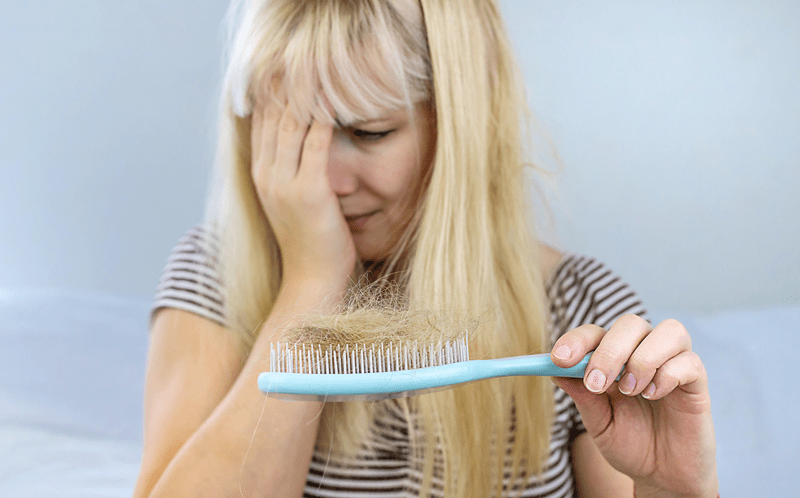
Excessive hair fall is one of the most common beauty concerns for men and women in the United States. Starting from weather changes to stress, from diet gaps to wrong ways of styling hair, there are so many reasons for excessive hair shedding and hair thinning. If you have been wondering how to reduce hair fall in a safe and effective way, well, the good news is that a targeted approach will make a difference. By learning about the various reasons for shedding, improving your scalp health routine, and following better daily habits, one can clearly slow down hair fall and, over time, pave the way for healthier and stronger strands.
From the science of hair fall and the gentle detangling habits that affect growth to daily practical steps one can take to protect the hair, this comprehensive guide covers it all. Whether you want to reduce breakage, address dryness, or manage stress-related shedding, these strategies are designed for long-term improvement.
Before learning how to reduce hair fall, it helps to know why it happens. A lot of people think that hair fall is always linked with damage or poor hair care, but the shedding reasons vary from person to person.
Every hair grows, rests, and sheds normally. A person loses about 50–100 strands per day, which is normal. But when shedding surpasses that number, it might indicate that something is wrong.
A lack of some important nutrients like protein, iron, zinc, and biotin weakens hair structure. When the body is devoid of strength in nourishment, the hair becomes brittle and more subject to falling.
Stress is a major trigger for shedding in so many adults. At any time, one could be subjected to physical or emotional stress, where the body may shift hormones to push more strands into the shedding phase. This is why knowing stress hair loss tips is very important.
Too much brushing, the use of heat-styling tools, and strong chemical treatments make the hair fall out easily. These add to breakage and eventually damage the hair shaft over time.
A healthy scalp is the foundation of hair. If oily, irritated, or full of buildup, follicles may weaken and cause early shedding. A regular scalp health routine can help avoid this. Knowing these shedding reasons helps you make more informed choices and adopt habits that restore balance.
A healthy scalp equates to healthy hair. If you are looking for ways to reduce hair fall, start caring for the root—quite literally.
Too much washing can strip the scalp of its natural moisture, and failing to do it enough can clog follicles. Most Americans do well with 2 to 4 washes per week, depending on daily activity, product use, and climate.
It does not strip the scalp of natural oils and cleans it gently. It is best to look for sulfate-free formulas that have hydrating ingredients and strengthening nourishment like proteins and extracts of plants.
A few minutes of scalp massage while one is showering increases blood flow to the follicles. Increased circulation means increased access to nutrition, which promotes growth.
Exfoliating the scalp once every 1-2 weeks will help remove buildup from dry shampoo, sweat, and styling products. This becomes a valuable addition to any scalp health routine.
Problematic dry scalp can be itchy, flaky, and even show increased hair fall. Lightweight oils or hydrating serums strengthen the scalp barrier and improve comfort.
A good scalp health routine nurtures the follicles from the bottom up to help you reduce shedding in a very natural and sustainable way.
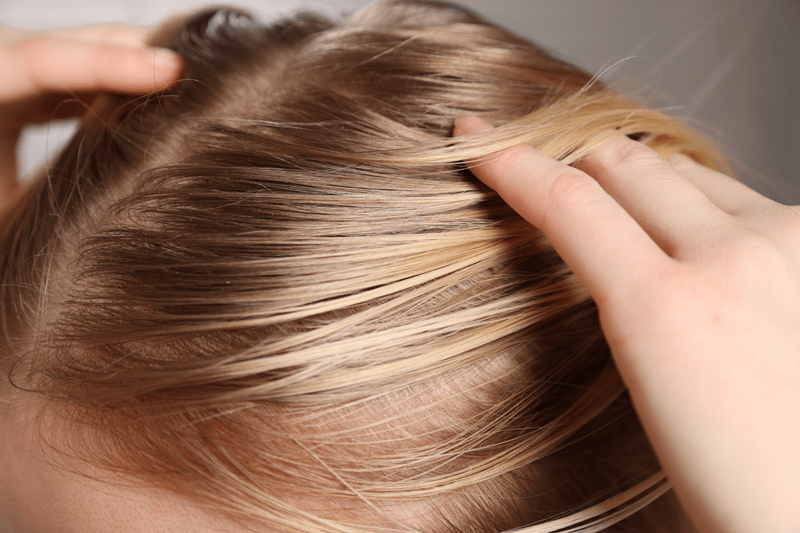
Contemporary busy American lifestyles are made up of long hours of work, rushing schedules, and continuous digital stimulation. Because of this, stress-induced hair fall has become extremely common, which is why effective stress hair loss tips are very critical in changing lives.
Simple breathing exercises, meditation, or even just slow stretching right after work may reduce cortisol levels. A high level of cortisol has been very closely linked to hair shedding.
This is because adults require 7-9 hours of sleep every night for the repair of cells, balancing hormones, and for hair to grow properly. Not having good sleep can heighten stress and lead to more shedding.
Something as simple as a warm shower, time for tea, journaling, or calming music may smooth your mind and reduce hair fall caused by anxiety.
Regular exercise also elevates mood, reduces stress hormones, and improves conditions in the body, which in turn promote hair growth.
Stress often leads to missed meals or poor choices. Neither of these usually helps to strengthen nutrition. Amino acid-based, colorful meals nourish not just the body but also the hair.
These tips for stress hair loss, when used consistently, can help break the cycle of stress and shedding.
Detangling is an important step in preventing unnecessary damage, yet many people miss this step on how to reduce hair fall.
It minimizes day-to-day breakage and mechanical hair fall through gentle detangling, practiced at all times.
Your diet counts, as do topical products, when it comes to learning how to reduce hair fall; for maintaining strength, hair needs nutrients directly targeted from the inside and outside.
Topical and dietary strengthening nutrition enables hair to resist daily wear and tear.
Beyond products and routines, lifestyle choices deeply impact the health of your hair.
Give priority to nourishment for internal and external strengthening, which will definitely support long-term hair growth. Hair health depends upon so many factors, yet small mindful changes can really make a difference. With time, shedding can be lessened and growth much stronger, but this obviously takes a great deal of patience, along with consistency and proper care.
This content was created by AI