

If you've been looking for ways to fix dry hair, you're not alone-dryness is among the most prevalent hair struggles today. Be it brittle strands, a rough texture, or that one stubborn section of dry ends, building the right routine for moisture repair makes all the difference. In this guide, you'll learn exactly how to fix dry hair, how to use hydrating hair masks, key habits to help you prevent dryness, and the most effective soft hair tips expert stylists recommend.
This guide provides you with a comprehensive outline for restoring hair that is healthy, silky, and nourished, regardless of various textures or lengths.
Knowing how to repair dry hair starts with a clear, well-structured, and consistent moisture repair regimen. Dry hair does not improve with "here-and-there" treatments; it needs purposefulness, balance, and repetition. Here is how to create an impactful routine that deeply hydrates each hair strand.
Harsh shampoos will strip the hair of its natural oils, adding to the severity of dry ends.
Choose:
If you want stronger dryness prevention, shampoo no more than 2–3 times a week. One of the fastest ways to undo progress is through over-cleansing.
Conditioner is non-negotiable, especially when your goal is to fix dry hair. A good conditioner:
Look for formulations containing shea butter, coconut oil, ceramides, aloe, and hyaluronic acid.
Some of the best ways to change extremely dry or brittle hair are through hydrating hair masks. These masks provide deep moisturizing, repair the fibers of damaged hair, and soothe rough textures instantly.
Choose masks with:
Apply mid-lengths to ends and leave on for 10–20 minutes. With each use, your moisture repair routine gets stronger and your hair stays softer for longer.
If you want to maintain softness, leave-in products are essential. Leave-in products will lock in moisture and improve shine, as well as control frizz.
Leave-ins in spray or cream forms are great for daily maintenance and excellent for preventing dryness.
Oils help lock moisture into the hair's cuticle. Argan oil, jojoba oil, sweet almond oil, or grapeseed oil are great options to seal hydration into dry ends. You just need 2-3 drops.
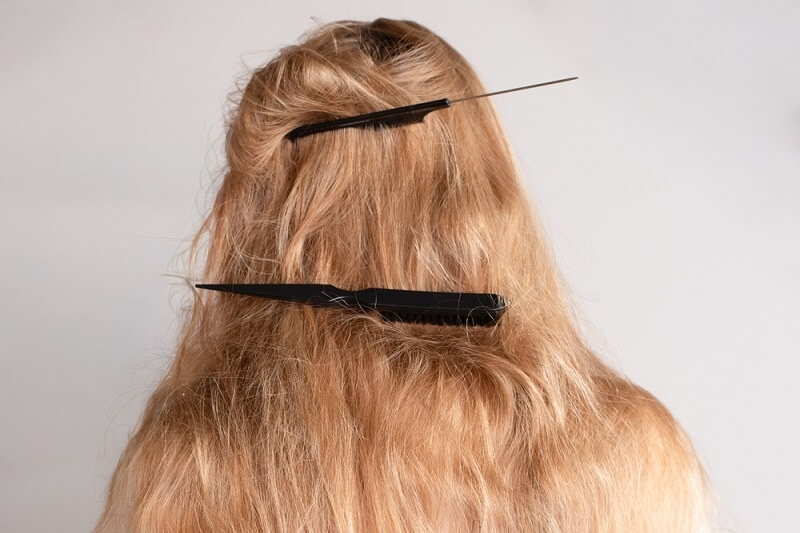
Split ends and dry ends are commonly the first signs that your hair is losing moisture. With proper care for dry ends, you can avoid breakage and retain healthier, shinier hair.
Although trims do not grow hair faster, they absolutely help reduce split ends from traveling upward. Every 8–12 weeks is perfect.
Use:
This protects hair cuticles and supports your moisture repair routine.
Before the use of heat tools, always apply:
Cotton absorbs oils and moisture from your hair. Satin and silk help lock in moisture, minimizing dryness and friction.
As you're determining how to fix dry hair, hydrating hair masks should be the cornerstone of your routine. Hydrating hair masks can hydrate deeply in ways that conditioners cannot. Hydrating hair masks help restore moisture and repair broken internal hair bonds. Using hydrating hair masks regularly will keep your strands soft, smooth, and manageable.
Humectant-based masks serve to enhance elasticity.
Regular use of hydrating hair masks is a big part of dryness prevention and long-term repair.
Once you start repairing your hair, keeping it soft is the next step. Here are some soft hair tips that may be simple but are dramatically effective for building lasting hydration.
Hot water opens the hair cuticle and strips moisture. Lukewarm water helps your moisture repair routine work better, and it will also keep your hair balanced.
Frequent heat styling leads to a rough texture and super parched ends. Try:
Use:
Start from the bottom, working your way up to avoid breakage.
Serums with hydrating oils provide an immediate, glossy, and soft effect. They are perfect if you experience issues with frizz or dull hair.
While external hydration has its utmost importance in keeping hair hydrated, the overall moisture from internal hydration cannot be underestimated. Great looking hair starts from the inside.
Now that you've decided which method to tackle dry hair, next comes establishing a state of hydrated hair through an ongoing regimen of dryness prevention!
Repetition matters. Hydrating your hair once in a while isn't enough; your hair needs constant support.
Sun exposure causes dryness, brittleness, and fading. Use UV-protecting sprays or wear a hat when outdoors to protect your skin.
Bleaching, coloring, and other chemical treatments dry out hair quickly. If you dye your hair:
Avoid products with:
Your hair does best with gentle formulas.
Too much washing strips the hair of its needed natural oils. This exacerbates dry ends and slows down the repair process.
Your hair is a reflection of your internal health. Complement your moisture repair routine by adopting hair-friendly nutrition.
Include:
Healthy fats help keep hair naturally soft and moisturized.
Your hair is mainly composed of protein. Adding more proteins helps in strengthening fragile strands, preventing breakage, and supporting dryness prevention.
If you've done everything possible to combat dryness and it's still there, consider enhancing your routine with these treatments.
A healthy scalp is the foundation for hydrated hair.
Steam helps open the cuticles so moisture can penetrate deeper. This will support your entire moisture repair routine and make your hydrating hair masks more effective.
These help rebuild damaged internal bonds within the shaft of the hair, making it much stronger and smoother.
Caring for damaged dry hair is an art. It isn't about finding one miracle product, but instead about consistency, smart habits, and targeted care. With the correct moisturizing repair routine, regular hydration hair mask treatments, care for dry ends, and good dryness prevention behavior, one can turn even the driest of strands into soft, smooth, healthy hair. Follow these soft hair tips daily, nourish your hair inside and out, and protect it against damage. Commit to the process, and your hair becomes visibly softer, shinier, and more manageable each day.
This content was created by AI