

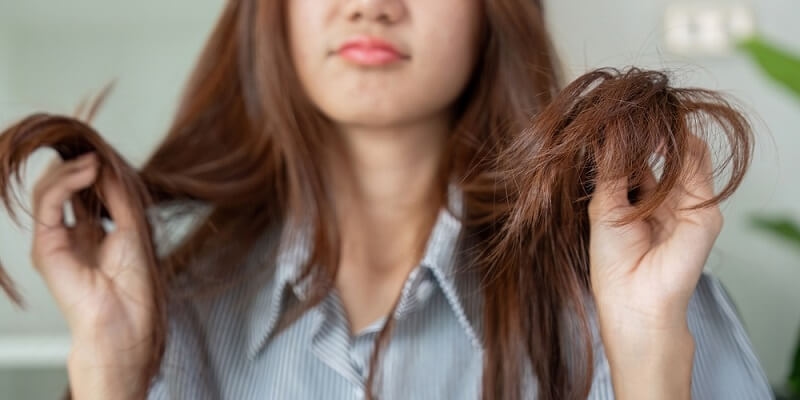
Frizz has a mind of its own. One minute hair looks polished, the next it floats, fuzzes, and decides to expand three sizes. Annoying? Absolutely. Fixable? More than you think. The real trick is understanding what frizz is trying to tell you, then setting up simple habits that work on busy mornings. No lab coat. No eighty-step routine. Just calm, practical choices.
Frizz is hair reaching for water. When the air is dry, strands steal moisture from the environment or from themselves and the cuticle lifts. When the air is very humid, already-porous hair swells and the cuticle lifts again. Either direction leads to fluff. Texture matters too: curls and waves have raised cuticles by design, so they need extra care to stay lying flat. Heat tools, rough towels, aggressive brushing, and harsh cleansers widen the damage. Knowing the frizz causes helps you choose kinder steps and products that seal, not strip.
Shampoo cleans, but it can also squeak away your natural oils. That squeak is not victory. It is dryness. Choose a sulfate-free cleanser or alternate between a gentle shampoo and a co-wash if your scalp tolerates it. Focus shampoo on the scalp and let the run-off cleanse lengths. Follow with a conditioner that contains fatty alcohols and a touch of protein if your hair is mushy; if it feels stiff and brittle, lean into hydration. Getting this moisture balance right is the quiet foundation of smooth hair days.
Friction lifts cuticles. Ditch the rough towel. Use a microfiber towel or a soft cotton T-shirt and squeeze water out in handfuls. No rubbing. Spend thirty seconds just pressing and scrunching sections. It sounds tiny, but this one change can cut frizz dramatically. While hair is still wet, apply a leave-in conditioner, then a gel or cream to lock down the cuticle. Layer thin amounts. Overloading heavy creams can make hair puffy instead of defined, which feeds right back into the same frizz causes you are trying to avoid.
Heat tools are fine in moderation. Prep with a heat protectant every time and lower the temperature until a single pass gets the job done. If you can air dry partially, do that. The sun also dries and lightens hair, so wear a hat on long days out or mist on a UV protectant. At night, switch to a silk or satin pillowcase to reduce friction. Long hair or curls benefit from a loose pineapple on top of the head. These small habits help maintain that delicate moisture balance between washes.
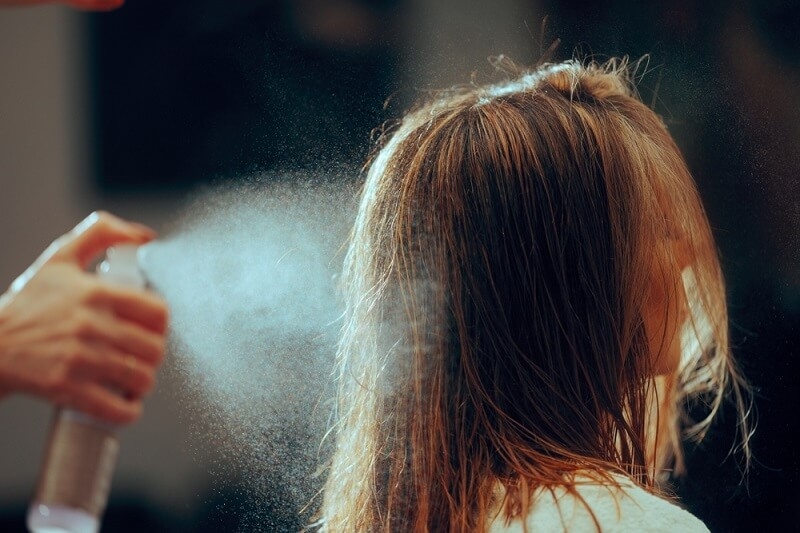
Think in layers. After towel-drying, apply a leave-in conditioner from mid-lengths to ends. Add a styling cream for slip, then a light gel or mousse for hold. Comb with a wide-tooth comb or detangle with fingers. Let it set while you get dressed. If you diffuse, hover the diffuser rather than blasting at full speed. Finish with a light, flexible hairspray or a few drops of silicone serum only on the surface to seal the cuticle. That is your fast, repeatable how to stop frizzy hairroutine for normal weekday chaos.
Weather will try you. Meet it with strategy. On high-humidity days, reach for anti-humidity sprays or finishing serums that contain silicones like dimethicone to create a breathable shield. Use lighter lotions under stronger gels so hair keeps shape when the air gets soupy. On dry, cold days, do the opposite: richer leave-ins, a dollop of cream, and minimal hold so hair stays supple. Keep a tiny travel tube of cream in your bag and smooth flyaways midday with damp hands. Simple humidity control tips like that keep hair calm between meetings.
A smart haircut stops frizz from looking like a cloud. Regular dusting of ends every eight to ten weeks keeps splits from traveling up the strand. Layers should match your texture: blunt layers can make thick hair triangle-shaped, while soft, blended layers release weight and help curls spring. If you heat style often, plan for protective trims more frequently. Healthy ends reflect light better, which looks smooth even before product.
Look for glycerin in moderate amounts to hold water inside the strand, especially in dry climates. Seek out amino acids, ceramides, and plant oils like argan, grapeseed, or jojoba to support the cuticle. If your hair feels like straw, try a once-weekly deep conditioner. If it feels stretchy and weak, include a light protein mask every couple of weeks. Keep an eye on alcohols in sprays: fatty alcohols are good; short, drying alcohols can be harsh. Use clarifying shampoo once or twice a month if buildup dulls your anti-frizz routine and makes products stop working. That maintenance step keeps your anti-frizz routine honest.
Think low friction everywhere. Swap plastic brushes for boar-mix or flexible bristles that glide. For blowouts, aim the nozzle downward to keep cuticles flat. Finish with a cool shot. For curls, rake product through, then scrunch with a T-shirt and avoid touching until fully dry. A pea-sized swirl of serum on palms can tame halo frizz without grease—rub hands until almost dry, then pat. These smoothing hair tricks are tiny, but together they build a calmer silhouette.
Happy scalp, happy lengths. If roots get oily fast, use a lightweight cleanser more often rather than nuking with harsh shampoo once a week. If your scalp feels tight or flaky, massage with a light oil before wash day and rinse thoroughly. A clean, balanced scalp lets you stretch time between washes, which protects lengths and preserves that precious moisture balance.
Sweat happens. Before workouts, braid loosely or clip up with a claw to prevent tangles, then mist hair with water afterward and refresh with a leave-in. Commuters: stash a mini brush and a travel-size cream in your bag. A few drops smoothed from mid-lengths down can erase helmet or hat hair. Office AC is drying; a tiny humidifier at your desk can help, or simply sip more water and keep a hydrating spray handy.
Waves: lighter gels and creams, scrunch gently, and avoid touching until fully dry. Curls: apply product on soaking wet hair in sections, then micro-plop with a T-shirt. Coils: rich creams and oils layered after water-based leave-ins, then twist or braid to set. Across all textures, avoid rough towels and high heat. A routine that respects natural pattern is the fastest route to lasting smoothness and real walking-out-the-door confidence.
Little resets like these keep your day moving when the weather or a missed wash throws a curveball. They backstop your smoothing hair tricks so your style survives meetings and long commutes.
Hair reflects the rest of you. Hydration shows up as shine. A protein-forward plate supports strong strands. Sleep matters more than we admit; a couple of early nights can make hair behave without changing products. If you color or bleach, accept that you will need richer conditioners and frequent trims. Gentle choices stack into calm hair days.
Over-washing. Brushing dry curls into a cloud. Skipping heat protectant. Piling on too much product and then blaming your hair. Using a harsh clarifier weekly. Yanking tight elastics through dry ends. Every one of these aggravates frizz causes and turns simple mornings into repair missions. If your hair keeps fighting you, simplify. Choose three products you trust and run the plan for two weeks before changing anything.
Wash with a gentle shampoo as needed. Condition well. T-shirt dry. Apply leave-in, then cream, then gel. Air dry partly, diffuse cool-warm if you like. Touch only when fully dry. Seal with a drop of serum. Sleep on silk. Clarify twice a month. Schedule trims. Pack a travel cream. Practice a couple of humidity control tips for bad-air days. That is the whole playbook. No drama. Just choices that work.
Frizz isn’t failure. It is feedback. When you learn what it asks for—water held inside the strand, less friction outside, and smart weather plans—you stop fighting and start guiding. Keep the basics gentle. Respect cuticles. Seal what you add. With steady care and a few reliable humidity control tips, hair stays smooth longer and styles finally last past lunch. That, in the end, is the real answer to how to stop frizzy hair without turning your life into a salon appointment.
This content was created by AI