

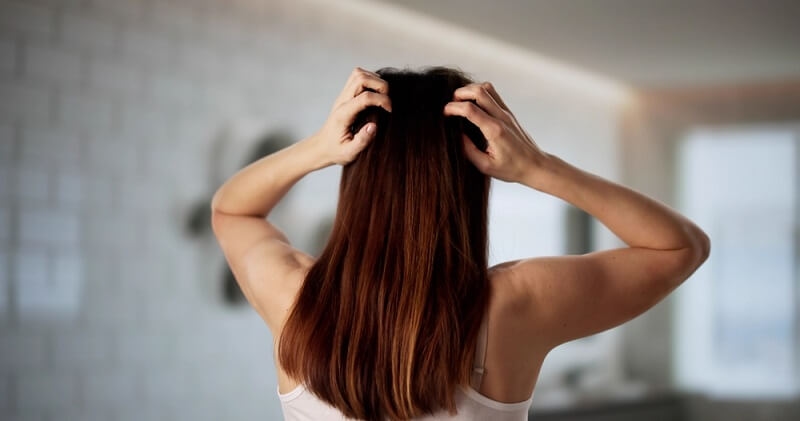
The never-ending urge to scratch. There is nothing worse than an itchy scalp to turn a perfectly peaceful day into a contest of fidgeting. There’s no doubt you have experienced, or at least thought about, just what was making your scalp feel so irritated. The issue can be surprisingly intricate, with causes ranging from mild types of dry scalp to more pervasive conditions. Recognizing the cause of the irritation is the first step to true relief. This guide will walk you through the most common causes of an itchy scalp, help you differentiate between a dry scalp and dandruff, and provide you with some helpful, practical scalp tips to ease your irritation and regain your comfort.
However, an itchy scalp is your body's way of sending a message. It’s telling you something is out of whack. Let’s dive into what your scalp could be telling you.
Itchy skin on the head may start mild, but the sensation intensifies when the scalp's barrier is stressed. Different triggers poke at the roots, and the skin reacts fast.
Some common itchy scalp causes include
What this really means is that the scalp becomes overwhelmed by small things that accumulate over time. When that happens, flaking solutions and gentle care start becoming more important than anything else.
Dandruff shows oily flakes, while dryness shows light flakes that fall like dust. But most folks can’t easily pick which is which, and that’s how wrong products make things worse. Confusion between dandruff and dryness leads many people to choose shampoos that strip too much oil or add too much oil.
Dryness usually comes from
Dandruff usually shows up from
Both cause itching, but they need different help. Dryness needs mild moisture. Dandruff needs oil control without harsh scrubbing. The trick is to watch how the flakes look and how the scalp feels each day.
Scalp irritation develops gradually when the skin barrier becomes compromised. Tiny bumps, redness, or burning sensations can appear quickly. The right scalp irritation tips can help calm the skin before it worsens.
Helpful steps include
What this really means is that small, everyday choices can help keep the scalp healthy, even when the skin feels sensitive. These habits create balance, which in turn allows the scalp to recover more quickly.
Flakes usually get worse when scratching starts because scratching lifts more skin. Flaking solutions work best when they aim at the root problem. Dry flakes need hydration, while oily flakes need cleansing but not stripping.
Some simple flaking solutions include
Healthy habits beat quick fixes. Effective flaking solutions support healthier skin in the long term, rather than masking the problem for a day or two.
Scalp health doesn’t grow overnight. It happens when the skin gets steady care without overdoing anything. Healthy scalp skin is soft, not tight or oily. The goal is balance. Too much oil or too little oil both cause an itchy scalp to flare up.
Supporting scalp health works better when people
Minor improvements build up. What this really means is that the scalp responds to steady routines more than to significant, dramatic changes. Once the scalp feels supported, the question "Why is my scalp itchy?" becomes less frequent.
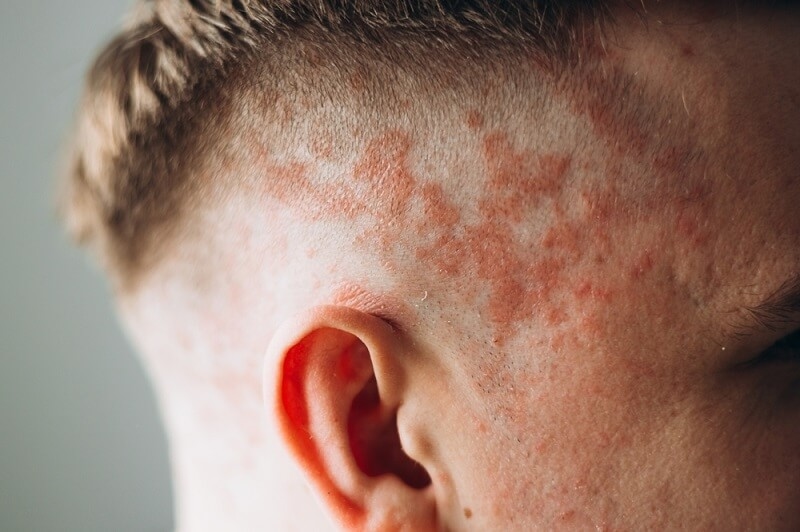
Dandruff occurs when yeast on the scalp reacts with oils, causing flakes to form. It can itch nonstop. Some folks think washing less helps, but that usually makes it worse. Dandruff needs regular but gentle washing.
Helpful names to look for in shampoos
These ingredients target excess oil and flakes without hurting the scalp barrier. However, using them too often can cause dryness, so balance is crucial. Once the scalp has calmed, switching back to a mild shampoo helps maintain scalp health without further stressing the skin.
Dryness acts sneaky. The skin gets tight. Light flakes fall when hair gets brushed. Cold weather and prolonged showers typically exacerbate the condition.
Helpful steps
Dryness responds well to hydration. Excessive washing can remove the natural oils that keep the scalp soft. A balanced routine helps keep the scalp steady, even on dry winter days.
Daily habits shape the scalp more than any single product. Establishing good routines can help prevent the causes of an itchy scalp before they begin.
Simple habits that help
Simple choices matter. Scalp health improves with regular care, gentle habits, and a clear understanding of the difference between dandruff and dryness, rather than treating them the same.
Sometimes, itching persists despite good care. Intense redness, painful bumps, areas of hair loss, or persistent flakes may indicate deeper issues. If itching persists for more than a few weeks, a dermatologist can help diagnose conditions such as psoriasis or seborrheic dermatitis. These issues need targeted care, not just regular shampoos.
Getting help early prevents minor issues from developing into larger scalp problems later. Healthy scalp health doesn’t mean perfect skin, but it does mean the skin feels better and reacts less over time.
An itchy scalp can arise from a variety of causes, for example, dryness or persistent dandruff. The first step to achieving real relief is to ascertain what is truly causing the itchiness for you. You can always treat the irritation with gentleness, remedy dryness and conditions like dandruff with the right flaking solutions, and even do it at home by implementing healthy habits.
Remember to listen to your body and make consistent, simple changes; you will ultimately improve your scalp health and overall comfort in the long run.
This content was created by AI