


Many people have to live with flakes, itching, and an uncomfortable scalp, but not all of them know what really causes dandruff. This issue is so common that it can appear at any age and in any season. Sometimes it gets worse during the cold season, sometimes the situation is more stressful, and you get a flare-up, and sometimes it just comes without any warning.
This handbook will explain the main causes of dandruff, the reasons for its occurrence, and share tips on which products will really work for calming and controlling the most stubborn dandruff.
To understand what causes dandruff, we must first examine the scalp’s natural balance. The scalp produces oils to moisturize and protect the skin. However, if this balance is disrupted—in a case where there is either too much or too little oil—flakes may appear. A lot of people think that dandruff stands for a dirty scalp that is not washed enough, but it is not always the case. In fact, mostly it is coming from dandruff trigger sources such as stress, lack of moisture, use of harsh products, or even changes in the weather.
The major one to be named among the reasons for dandruff is most likely the natural yeast that everyone’s scalp hosts. The yeast feeds on the oils, and when it multiplies rapidly, it causes the area to become inflamed. This inflammation is followed by flakes that resemble fungal flakes, which are commonly white or yellow in color.
Practicing several daily habits or being under certain conditions may lead to itching and flaking of the scalp. And these are the most common dandruff triggers you might be crossed with:
Oils are naturally produced by your scalp, but when the quantity is increased, the yeast can flourish. This, in turn, results in the production of fungal flakes and a constant desire to scratch the scalp. Even people who wash their hair regularly may still see build-up because the problem starts from beneath the surface.
Some individuals develop dandruff due to dryness of the scalp. Dryness may arise in the cold season, after a hot shower, or as a result of using a harsh shampoo. Without enough scalp moisture, the skin becomes tight, itchy, and flaky. The flakes here are mostly smaller and have a white color.
Fragrance, alcohol-based formulas, and forcibly styling products can cause the scalp to become inflamed. Scalp irritation resulting from these symptoms leads to the formation of flakes and also the feeling of discomfort. In such situations, the cause of dandruff is just an allergic reaction or sensitivity.
The skin barrier of the body is usually weakened when the person is under high stress levels. This, in turn, makes the conditions for having dandruff easier for its triggers. Besides the lack of sleep, dehydration, and a bad diet are also involved in this.
While cold weather will dry out the scalp, the humidity might cause the oil production to increase. This condition will lead to an imbalance that might give rise to fungal flakes, and the irritation may even be experienced throughout the year.
Knowing whether one is facing fungal flakes or dry flakes is very crucial. The offshoot of yeast growth is generally associated with the presence of light yellow, slightly sticky flakes. At the same time, the affected area can be characterized by redness or an oily sensation. If the flakes happen to be dry, tiny, and white, then your scalp only requires some more hydration and a gentle treatment.
At times, dandruff may also be considered a buildup of hair products. Excessive use of gel, wax, or hairspray can build up on the scalp, thus making it sticky and dirty, and in turn, the creation of flakes will follow. While it is necessary to wash your hair properly, it is even more important to use the right ingredients.
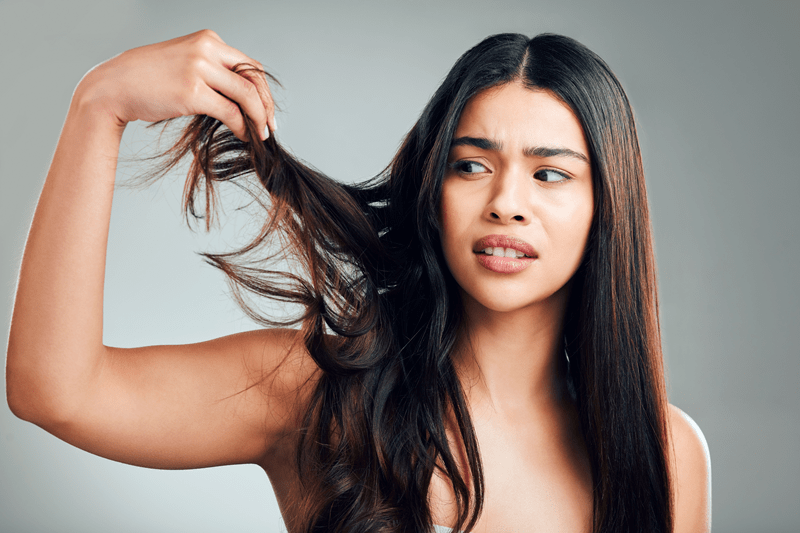
It is quite uncomfortable when flakes irritate your scalp and make your head itchy. In such cases, knowing reliable itchy scalp solutions can be a great source of comfort. These are the simple steps that work for most people:
Start with a mild shampoo that is specifically made for dandruff control. Check out the labels for one or more of these ingredients, such as zinc pyrithione, ketoconazole, or salicylic acid. These ingredients not only bring down the irritation but also discourage the growth of the yeast that causes dandruff.
Regular usage of these products, say 2-3 times per week, should eventually result in a reduction of the fungal flakes and also help you determine what side of the issue is caused by your local environment or your body.
Scalp hydration is equally important, irrespective of whether the scalp is dry or not. Try one to two tablespoons of coconut or argan oil once a week. These work their magic on the skin of the head without clogging the pores. Just be sure you’re rinsing adequately to avoid residue.
Try to limit the use of products with strong alcohol, heavy wax, or intense fragrances. Factors that can lead to the worsening of the dandruff and make the itching even more severe are those that are also the most common triggers of the dandruff.
A healthy lifestyle is a prerequisite to having a healthy scalp. Moreover, it can be as simple as drinking water, sleeping well, and managing stress. These few but important habits can reduce the itching to a great extent, and that too naturally.
Hairbrushes are always ready to hold on to our hair oils, dirt, and the old flakes. The most effective way to keep them clean and dry from these is by cleaning them once a week.
These solutions for an itchy scalp provide the best effectiveness when they are carried out on a regular basis and not from time to time.
The consistent anti-dandruff routine is like a fence around one's head that keeps the nasty flakes away. You don’t need many products—just the right ones and a little consistency.
Here is a simple routine to try:
Use an anti-dandruff shampoo twice a week. This limits yeast growth and fungal flak development.
On the remaining days, use a gentle, moisturizing shampoo. This helps the scalp to stay hydrated and does not remove the natural oils from the hair.
Use a light conditioner only on the hair ends. Don’t put conditioner directly on your scalp, as it can lead to build-up.
If the scalp is dry, oil it once a week. This keeps the scalp comfortable and explains what causes dandruff for people with dry skin.
Scalp exfoliation should be done once a month. By using a gentle scrub, you remove the dead skin as well as the remaining hair products.
This anti-dandruff routine is suitable for most hair types and will quickly show results.
If you do not get any improvement in your flakes even after you have tried good care habits, then you might need medical help. Identification of the problem as dandruff, eczema, or psoriasis can be done only by a dermatologist.
Sometimes, a deeper skin condition that looks like ordinary flakes might be the cause. In case the itching is unbearable, you get redness, or your hair gets thin, getting a proper diagnosis is of utmost importance.
The first and foremost thing for long-term relief is to understand the cause of dandruff for your scalp type. Once you pinpoint the right cause—be it dryness, yeast, irritation, or weather changes—you can go on buying the products that will truly be effective.
Dandruff is a thing that everyone may face, but it should not affect your opinion of your hair. You can have a healthy scalp and enjoy your days without flakes if you have the right information and consistent care.
The first step in solving the dandruff problem is to understand its causes. Once you identify the primary factor responsible for your dandruff—dryness, yeast growth, irritation, or weather changes —you can follow a gentle routine that actually works.
Over time, a combination of the right shampoo, improved scalp hydration, and a regular anti-dandruff regimen will result in fewer fungal flakes and less itching. Stick with good habits and a little regular care, and your scalp stays clean, comfortable, and free from flakes—no hassle.
This content was created by AI