

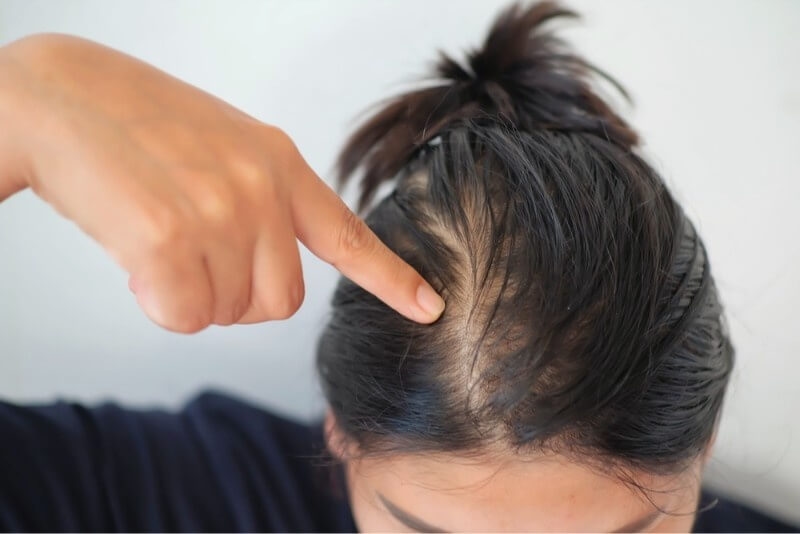
Seeing the first signs of thinning hair can make you nervous, as you ask, "Why am I losing my hair?" The early warning signs of hair loss often develop gradually in many women, such as reduced volume, increased shedding, or a wider part. Identifying early signs of hair loss allows you to take action and use rookie strategies on how to avoid losing any more hair before it gets any worse.
Hormones, nutrition, stress, and how you were born (genetics) are contributing factors related to a person's overall health, and hair is no exception. Well-respected sources such as the CDC and NIH say that nutritional deficiencies, hormonal imbalances, and certain medical conditions are among the causes of early hair loss. Once identified, these contributing factors will motivate the consumer to take preventative and/or decisive actions.
Let's look at what your hair could be telling you.
Preventing and treating hair loss by identifying signs early is key for women who may not notice small changes until they become noticeable. So, what should you be looking for as a warning sign of upcoming hair loss?
On average, a person will lose between 50 and 100 hairs a day; however, excessive hair loss on pillows, hairbrushes, or while washing can be one of the first signs of thinning hair. When women ask themselves why their hair is thinning, excessive shedding from stress, hormonal changes, or nutrient deficiency may be contributing factors to hair loss.
As the part in women's hair widens, this may represent one of the symptoms of hair loss in women. As hair density decreases over time, the part line may become easier to see when viewed under direct light.
If your ponytail feels thinner now than before, it may indicate you've been losing hair and could be an early warning sign for women who experience hair loss.
When hair loses its ability to grow normally or becomes limp and fragile, it is usually a sign of hair loss or thinning that can lead to questions like, "Why do I have less hair than before without actually losing any more hair than I used to?"
You may also begin to see more of your scalp than you did previously while preparing your hair. This symptom is a later stage of hair thinning and should be treated as an emergency situation.
If you notice any of these early symptoms of thinning, it will give you a head start on getting help to correct it in a timely manner.
Experiencing unexplained hair thinning can be a common occurrence for many women. Emotional factors play a role, but physical factors such as hormonal changes, diet, and chronic stress are far more impactful.
Hormonal imbalances due to pregnancy, menopause, thyroid issues, and other hormonal diseases (polycystic ovary syndrome) can contribute to early signs of hair loss/loss of hair density by disrupting the normal hair growth cycle.
Nutritional deficiencies in iron, vitamin D, zinc, and protein are vital to maintaining healthy hair and are typically a major reason for hair density loss. Following a nutrient-rich, balanced diet is one of the best ways to help prevent hair thinning.
Don’t Miss This: How to Reduce Hair Fall and Support Healthy Growth?
Chronic stress can cause you to have "telogen effluvium," which is the shedding of hair as a result of stress. If you've recently gone through a major life change and are experiencing hair thinning, it's likely due to stress.
Thinning hair in women can be caused by many factors, including family history. Female pattern baldness is hereditary and begins with the gradual thinning of the hair at the crown or through widening of the part.
Other factors that may cause early signs of thinning hair include autoimmune diseases, thyroid imbalance, or certain medications you might use. It is important to consult with a licensed medical professional to accurately diagnose and obtain the correct advice regarding treatment options. By identifying the cause of hair thinning, you can create a targeted strategy to stop hair loss.
Proactive care is vital once you see that your hair has begun to thin. What actions will aid in the protection and strengthening of your hair?
Eating foods that are high in iron, lean protein, leafy greens, nuts, and seeds can help combat hair thinning, and if a doctor has diagnosed you with any deficiencies, supplements may also assist with managing your thinning hair issues.
Scalp health is also important for promoting stronger follicles, as well as gentle scalp exfoliation, sulfate-free shampoos, and avoiding harsh chemicals, which will help minimize the early signs of hair loss.
Hair will weaken when subjected to too many styling tools/chemicals. One of the easiest ways to prevent further hair thinning and maintain your current volume is to reduce exposure to heat.
Thought You’d Find This Useful: How To Stop Frizzy Hair And Keep It Smooth All Day
Incorporating yoga, meditation, or getting enough sleep will help to regulate hormones that create stress. Reducing your stress levels will directly help prevent further hair thinning and aid hair regrowth.
If you have made lifestyle changes to address your hair thinning and you are still asking yourself, “Why is my hair thinning?” consult with a physician or dermatologist. Depending on your situation, topical products like minoxidil or prescription treatments may be recommended.
The most important thing to consider when trying to stop hair thinning is consistency. Taking early action to address women's hair thinning often yields the best long-term results.
You May like this: How to Strengthen Hair and Reduce Breakage in Natural Ways?
Individual cases of thinning hair can occur in anyone who experiences some hair loss (shedding) for a couple of weeks or months from time to time. If you have noticed signs of hair loss that have not improved after several months or if your hair loss becomes progressively worse, you should see a physician for a complete evaluation.
If your scalp is becoming more visible or you notice patches of hair loss, consult a physician as soon as possible to receive an accurate diagnosis and appropriate treatment. The sooner you take action on signs of thinning hair, the better your chances of preventing or reversing your hair loss from further progressing.
When you're aware of the signs of thinning hair in women, you can take proactive steps while also being informed about your treatment options. Whether you want an answer to "Why does my hair get thin?" or you want to know how to stop my thinning hair, having the proper information as soon as possible is your biggest advantage in limiting your loss of volume and ultimately your confidence regarding your hair.
Healthy hair is about overall health, and when you're able to combine proper nutrition, stress management, and taking care of your scalp with professional guidance, you can regain both the volume of your hair and your confidence.
Your healthy hair is not only a matter of beauty but also of maintaining balance, providing the necessary care, and taking timely action when needed.
There are several signs of thinning hair that can be detected early. Quickly identifying these signs can help prevent serious hair loss. Early signs include:
Additionally, the hair will fall out frequently, where you see more hair than normal, and when you put your hair into a ponytail, it seems thinner than before. If you shine a bright light on your scalp, you will notice it is clearly visible, indicating it is thinning.
Thinning hair in women can result from hormonal shifts, nutritional deficiencies, emotional stress, and genetics. Good hair products cannot stop hair thinning since the root cause is internal.
You can help prevent hair thinning by ensuring you have a well-balanced nutrition plan, a good scalp-care routine, heat-styling your hair less, and reducing stress. You can make lifestyle changes to help reduce your thinning hair early by addressing them now.
Not permanently. Some causes of hair thinning, such as emotional stress and nutritional deficiencies, can be reversed. By treating early signs of hair loss with the right type of care and assistance from a doctor, you will most likely be able to restore some degree of fullness to your hair.
This content was created by AI