

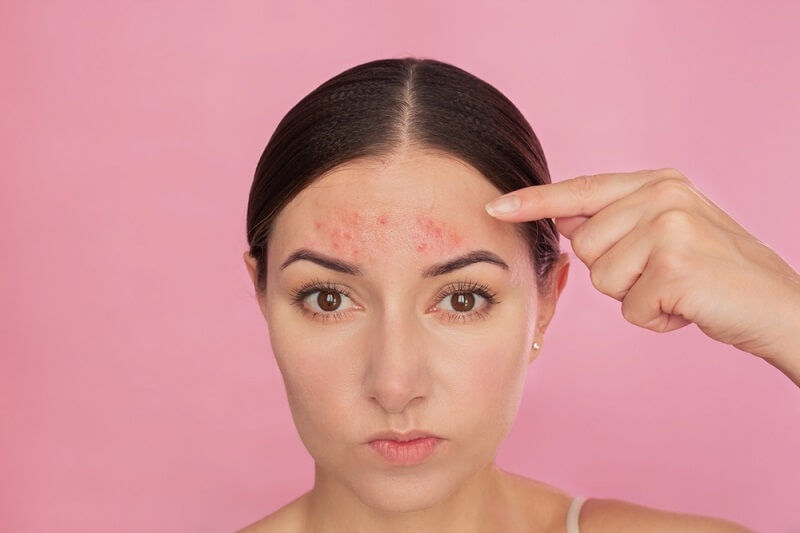
Hormonal breakouts feel unfair. You care for your skin, then a painful jawline bump shows up before a big day. Deep, slow to heal, and repeat offenders. Good news: there is a calmer way forward. With simple timing, lighter touch, and smart products, you can cut the drama and help skin recover faster.
Think of the month in phases. Calm weeks are for rebuilding and fading marks. The run up to a flare is for prevention. When bumps appear, reduce irritation and speed resolution. Start two weeks before your usual breakout with a nightly salicylic acid leave on and a pea sized retinoid three nights per week. Keep a non stripping cleanser and a light gel moisturizer as your base. This steady routine is your first pass at calm, effective control without overhauling your life.
Around ovulation and the week before a period, androgens rise. Oil thickens, pores narrow, and inflammation spikes. Stress, sleep debt, and friction from helmets or masks add fuel. Learn your pattern. Track three cycles and note when flare ups begin, how long they last, and where they land. Knowledge turns guessing into a plan.
A week before bleeding, shift to prevention. Use salicylic acid in the evening, benzoyl peroxide as a short contact morning treatment, and top with sunscreen. At first tenderness, press a hydrocolloid patch over forming spots. If skin stings, back off and use a bland moisturizer for 48 hours. Gentle wins.
Here are three practical period acne tips. One, avoid new actives during the tender window. Two, swap heavy hair oils for lighter serums so residue does not migrate to the jaw. Three, change pillowcases every other night. Later in the cycle, repeat these period acne tips as needed and keep the calendar habit alive.
Not all pimples are random. Note friction zones from phone screens, chin straps, scarves, and long helmet sessions. Scan your cosmetics for pore clogging waxes. Watch for late caffeine, skipped meals, and intense stress. Those are common hormonal breakout triggers that push oil and inflammation higher.
Tidy the list, adjust one item per week, and measure the effect. If you see a change, keep it. If not, move on. Revisit these hormonal breakout triggers each season; weather and routines shift.
Chin cysts feel like tiny marbles. Do not battle them with scrubs. Instead, buffer actives with moisturizer, then dab a leave on benzoyl peroxide or adapalene at night. In the morning, cleanse, pat dry, and seal with sunscreen. If your mask or scarf rubs, place a thin hydrocolloid under the fabric for short commutes.
When in doubt, simplify. These are core chin acne care moves: cleanse with lukewarm water, choose fragrance free products, and keep hands away from your face. Add ice wrapped in cloth for one minute during painful swell ups. Later, repeat your chin acne care routine with patience; steady beats intense.
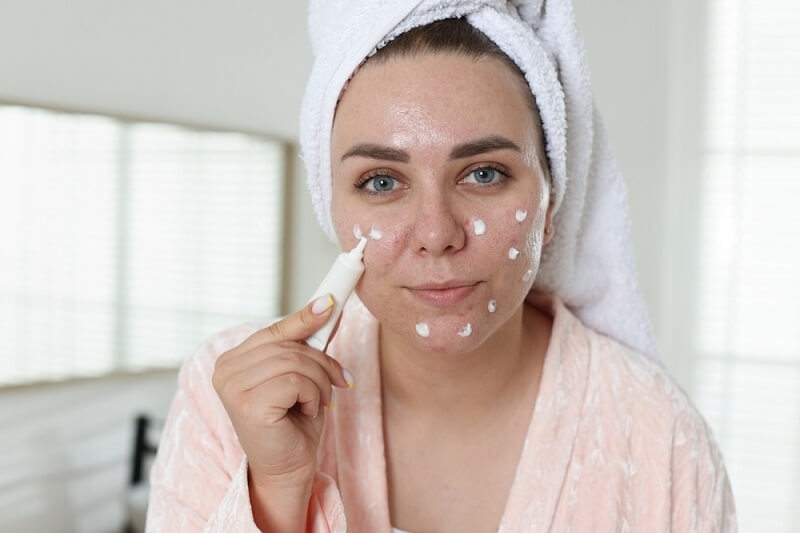
AM: gentle cleanser, benzoyl peroxide short contact, rinse, gel moisturizer, broad spectrum SPF. PM: cleanse, salicylic acid or azelaic acid, moisturizer, retinoid on alternate nights. Once weekly, add a sulfur mask to calm redness. Keep actives away from corners of eyes, nose creases, and lips. Small, repeatable steps protect your barrier so actives can work.
These steps form a flexible skin balancing routine. On good weeks, focus on tone and texture. On tense weeks, prioritize prevention. Consistency makes a skin balancing routine feel automatic, even when life gets loud.
You can wear makeup and still heal. Choose non comedogenic base, then set with a light powder only where you get shiny. Wash brushes weekly and swap sponges often; they collect oil. For midday refresh, blot first so you do not grind sweat back into pores. Sunscreen is non negotiable.
Gel or milk textures sit smoothly under makeup, and tinted mineral SPFs can replace foundation on tender days. At night, remove everything with a gentle oil or balm, then your cleanser. That two step takes 60 seconds and prevents residue from becoming tomorrow’s clog. If a product tingles or smells strong, park it. Comfort is the rule.
No single food causes acne for everyone, but patterns exist. Some people break out with lots of skim milk or whey shakes; others do fine. Try two week experiments rather than lifelong bans. Sleep is non negotiable; aim for regular bedtimes to blunt cortisol swings.
What about acne supplements. Think basics first: zinc within safe limits, omega 3s if your diet lacks oily fish, and vitamin D when deficient. Always clear supplements with a clinician if you take medications or are pregnant, trying, or nursing. If a supplement promises miracles, skip it. Reassess any acne supplements after eight weeks; keep only what clearly helps.
If cysts scar, last for months, or cluster along the jaw despite careful home care, talk to a dermatologist. Options include topical antibiotics paired with benzoyl peroxide, short courses of oral medications, spironolactone for androgen driven flares, or procedures like cortisone injections for urgent cysts. Treatment should be tailored to your health history and goals.
Do not pop deep cysts; they push oil and bacteria into surrounding tissue and risk scars. Do not stack three new products at once. Do not scrub. Skip heavy fragrance, minty tingles, and drying toners. Skip picking when stressed by keeping patches in your bag and mirror time short. Small protections matter.
Hormonal acne is not a moral failing. When you learn how to stop hormonal acne in your own calendar, the guessing fades and confidence grows. Track patterns, adjust the week before flares, and stay kind to your barrier. The goal is fewer painful bumps, faster healing, and skin you can think about less. With time, you will trust your plan and your reflection more.
This content was created by AI